

The ComplEAT Kitchen

Welcome to the Tip of the Tongue Newsletter! Thanks to new subscribers and regular readers, especially readers who are recommending Tip of the Tongue to their friends and subscribers!
On Sunday there is always this free newsletter , The ComplEAT Kitchen, about what is going on in my food and drink world, at SoFAB, at the SoFAB Research Center at Nunez Community College, and out in the world. Tip of the Tongue, my podcast, appears on Monday. One or two more print editions appear during the week for paid subscribers.
Cooking: The desire to turn on the oven during this snowstorm was very strong. So I turned on the oven to 400 F and cut up an onion into eigths, added olive oil and a dozen Roma tomatoes. They cooked for an hour. About 15 minutes before I took out the cookie sheet, I added about 5 cloves of garlic. Then all of it went into the blender for a short buzz.
I added a quart of chicken stock and threw in a four ounce package of chevre and oregano and a bay leaf. It simmered for another 30 minutes. And we sipped tomato soup from mugs.
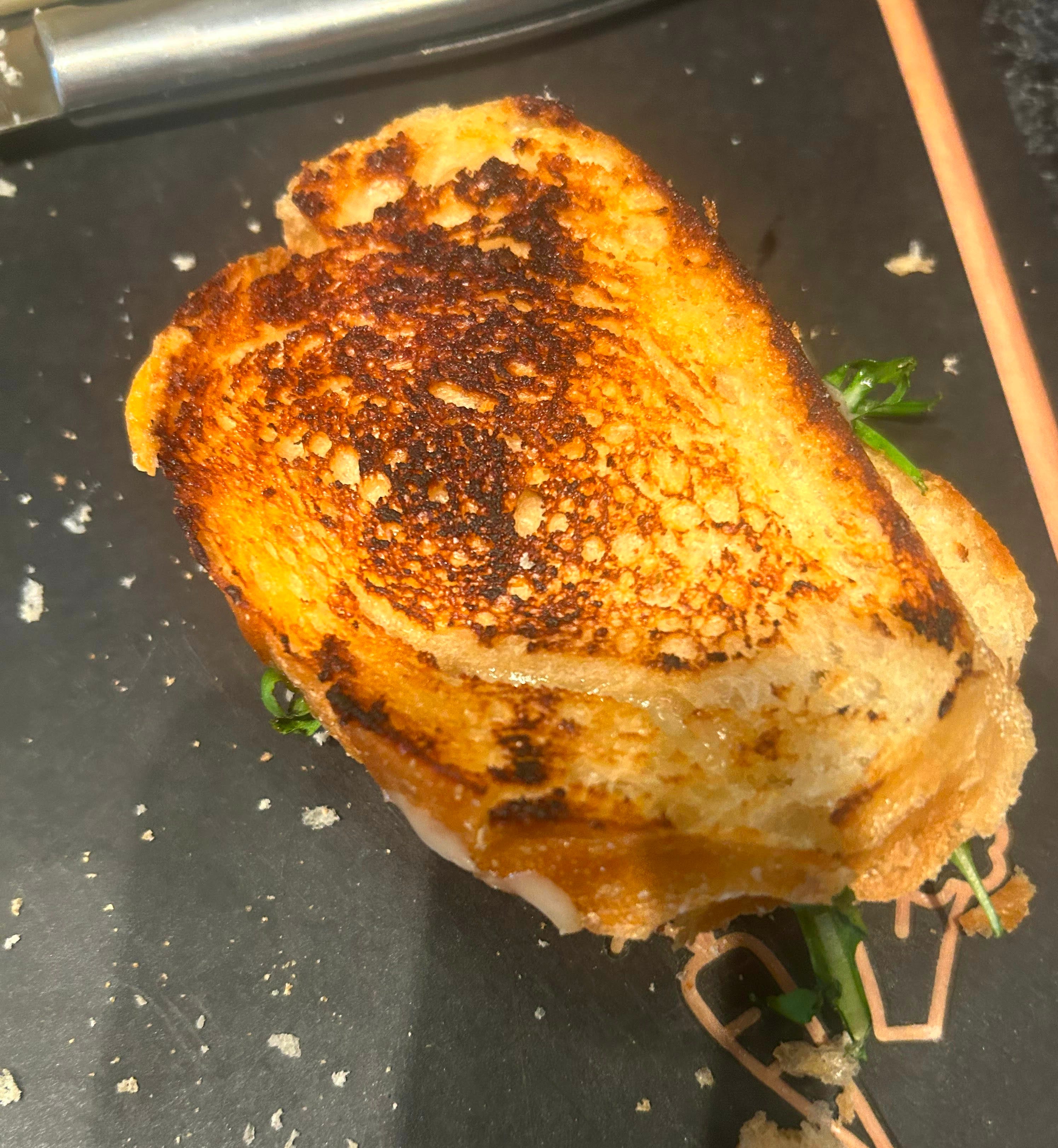
And we ate grilled cheese sandwiches too.
Reading: As I am beginning to get ready for the America250 celebrations that kick off in Louisiana next week, I am rereading a book that I read a few years ago, written by my good friend, H. L. Dufour Woolfley. The book is A Quaker Goes to Spain: The Diplomatic Mission of Anthony Morris, 1813-1816. It tells the tale of Anthony Morris, who was dispatched by James Madison to go to Spain in an unofficial capacity to obtain Florida for the United States.
This was a dangerous mission of sorts. Morris was not a credentialed diplomat. But he was an amazing man, who steadfastly pursued his mandate on behalf of the United States, during a complicated time of unrest and battles, including in America, the War of 1812. Spain had ruled Louisiana, had ceded it back to France, and France had sold it - The Louisiana Puchase - to the rather new United States. Spain still had other interests on the continent to the west of Louisiana and to the east. And what is now Florida was in play.
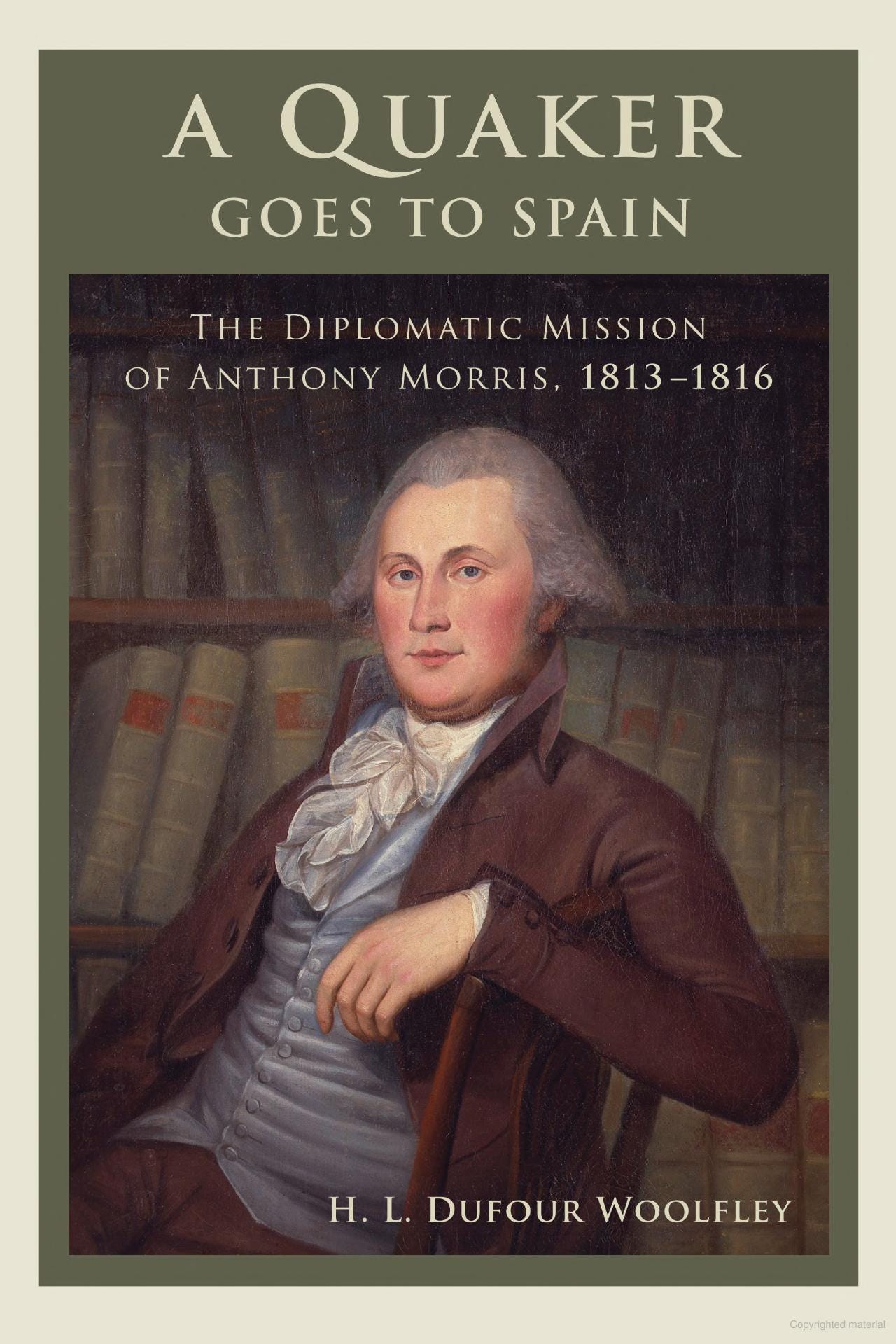
The book is written with the great tension of a detective story. It is well researched and tells a heretofore unremarked on story of the early days of American diplomacy. Next week the Galvez festivities begin in Louisiana, and I am enjoying this book again, in preparation for the lectures to come.
Exploring: We visited the Brooklyn Museum. This was a thrilling visit. The museum has made curatorial decisions that are right up my alley. I am not a fan of art being displayed for veneration. I love things to be displayed in context allowing you to draw your own conclusions. And the Brooklyn Museum wants you to enjoy its collection, displaying pieces parlor style almost to the ceiling. There are contextual panels, and they are useful, but the curators allow you to draw your own conclusions in an exciting way. I walked out of the museum invigorated.
Judy Chicago’s Dinner Party was on display!!
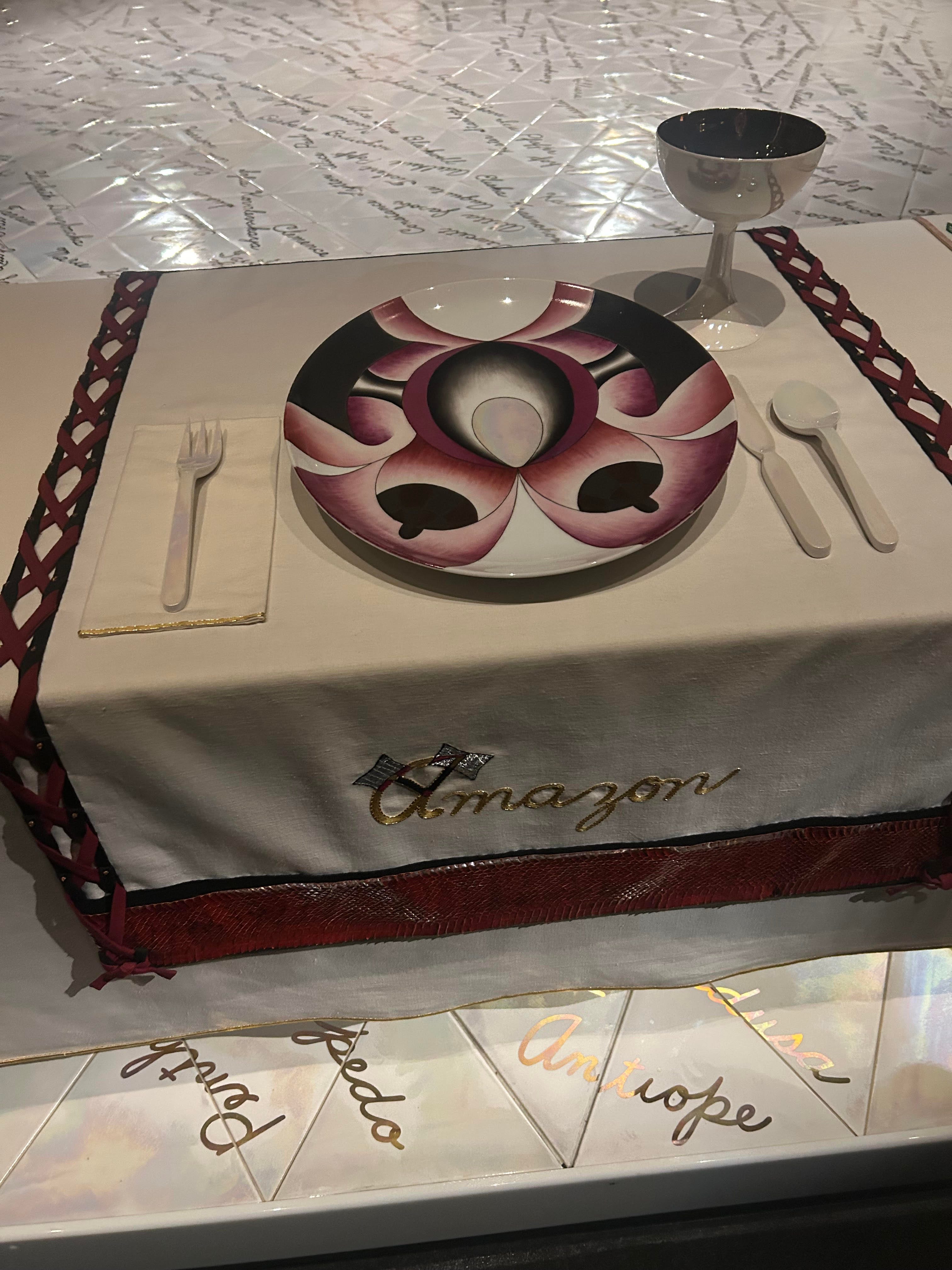
The table setting for the Amazons
Their storage is also a display. The storage cabitnets are in barely lit rooms, but are stored behind class so that you can easily see what it there. I could have spent the night in that museum.
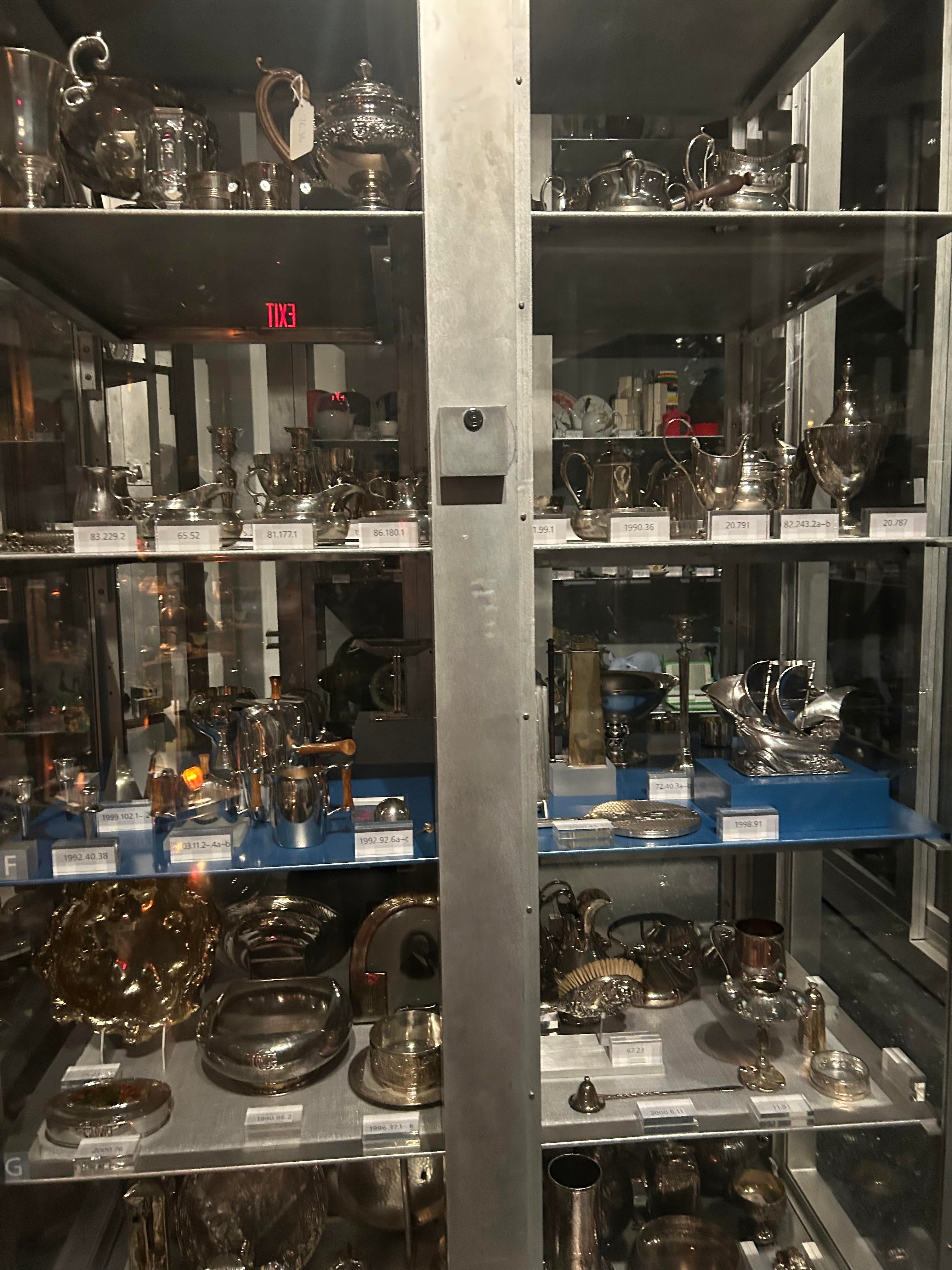
Display case in storage
SoFAB Culinary Research Center at Nunez Community College:
The SoFAB Cookbook is not an old book. It was just released in June, 2024. I wrote this book with Maddie Hayes anticipating the 20th year of the Southern Food & Beverage Museum. It is a look at what is being eaten in the south today. It is not a cookbook full of old recipe tropes about southern food.
Since there is a connection between the SoFAB Research Center at Nunez Community College and the SoFAB Museum, I thought it would be fun to share a recipe for a modern southern dish.
Smith Island Cake is a well-known cake in Maryland, where it is the official state dessert. It is a yellow cake with usually 8 layers frosted with chocolate icing. It is said that during the oyster harvest families would give a cake to the oystermen to remind them that their families were waiting for them. This is a modern version of the cake.
Smith Island Cake
Icing
1 2/3 cups granulated sugar
1 cup heavy cream
6 tablespoons butter
4 ounces bittersweet chocolate
2 teaspoons corn syrup
1 teaspoon vanilla
¼ teaspoon salt
Place all the ingredients except the vanilla and salt into a heavy-bottomed saucepan. Place over low heat to melt and blend everything. Stir often to ensure that the sugar is fully incorporated and to keep the ingredients from scorching.
Bring the mixture to a boil. Boil one minute and remove from heat. Add the vanilla and the salt and stir. Set aside and allow to cool and thicken. This should take at least an hour. After 2 hours you many need to reheat it to soften it.
Cake
3 ¾ cups all-purpose flour
1 teaspoon baking powder
¾ teaspoon baking soda
2 cups granulated sugar
3 sticks butter, at room temperature
5 large eggs, at room temperature
2 ½ teaspoons vanilla extract
1 ¾ cups buttermilk, at room temperature
Preheat oven to 350 F and butter the cake pans, add a parchment round, and then flour the round. This will ensure easy release of the layers. Depending on the number of pans that you have, you may need to repeat this process to end up with 8 layers. Do not cook a thicker layer and cut it. This changes the nature of the cake, making it more porous.
In a large bowl whisk together the dry ingredients and sift. Set aside to add to the wet ingredients. Place the butter and sugar in a mixing bowl and whip together for 4 minutes on high speed. Add the eggs, one at a time, and continue beating at least one minute after adding each egg. Add the vanilla with the last egg.
Reduce the mixer speed to low to add the dry ingredients. Add 1/3 of the flour mixture, scraping done the sides of the bowl if necessary. Add 1/3 of the buttermilk. Continue alternating the dry ingredients and the buttermilk 2 more times until just incorporated. It will make the cake tough to overbeat it.
Place 1 cup of batter in each pan. Cook on the middle rack of the preheated oven for 12 minutes. A toothpick should be dry when used as a tester. Remove the pan. Cool for 2 minutes and then invert the pan onto the counter. Carefully remove the parchment while the layer is still warm. Rebutter the pan and add a new parchment circle and rebutter it, if reusing pans. Add another cup to each pan and repeat until you have used all the batter. You should have 8 layers.
When the layers are cook and the icing is cool, place one layer in the center of a cake stand or plate. Spread a layer of the icing over the cake. Add another layer and repeat until all the layers are stacked. Then with the remaining icing, thinly ice the cake. It is easy to make the icing between the layers so thick that you use the icing before you have iced the outside of the cake. Be stingy if you have to be. Use the remaining icing to ice the outside of the cake.
We look forward to your visit to the SoFAB Culinary Research Center at Nunez Community College. Beside volunteers, who are always welcome, we are looking for donations for the Randall Abney Community Cookbook Collection. If you have unwanted or unused community cooks that you bought to support and organization, please consider donating the books to the Research Center. Just drop them off to us. We in particular need books from Delaware and Wyoming. Thanks in advance.
We are always looking for volunteers at the SoFAB Culinary Research Center. Are you interested in helping us sort pamphlets, inventory collections, and create a searchable database? It’s a great job for service hours for high school or college, or for someone who loves books and ephemera. Or you may want to do a field trip with a class. Please send me an email at lizwillia@gmail.com if you are interested.
If you would like a tour of the Research Center or if you have books or other materials to donate, please get in touch. I just love showing people around to see our treasures.
If you enjoy this newsletter, please forward it to friends.

I hate to see legacy foods go by the wayside, but I think that it has always happened with new ways of cooking and eating.
years ago, I had a 7-8 layer from Southern Maryland...memories...a dying art form